Plan a Commercial Modular Construction Project With Confidence
Infinity Constructions – Build. Above. Beyond.
Infinity Constructions is a prefabricated construction company delivering prefabricated building construction solutions for complex commercial, accommodation, student housing, aged care, hospitality and mixed-use projects across Sydney and Melbourne.
As an experienced Tier 2 commercial construction company, Infinity integrates offsite-manufactured systems, volumetric modules, AFS walling, Ultrafloor systems, precast façade elements, permanent formwork and prefabricated POD bathrooms into high-performance construction programmes where certainty, quality, safety and speed are critical.
Prefabricated construction is not simply about building faster. For institutional clients, developers and long-term asset owners, its real value is in reducing uncertainty. When planned correctly, prefabrication can improve build quality, reduce onsite congestion, compress programme risk, support sustainability targets and create more predictable construction outcomes.
The key is early planning. Prefabricated building systems work best when design, procurement, logistics, services coordination, fire engineering, acoustic performance, waterproofing interfaces and installation sequencing are resolved before manufacturing begins. Through Early Contractor Involvement and design management, Infinity helps clients identify where prefabricated construction can add value, and where traditional construction may still be the better option.
Plan a Prefabricated Construction Project With Confidence
What Is Prefabricated Building Construction?
Prefabricated building construction involves manufacturing parts of a building offsite before transporting and installing them onsite. This means prefabrication is much broader than complete modular buildings. It can include bathroom pods, wall systems, floor systems, precast façade panels, permanent formwork, plant skids, services risers, structural steel assemblies and fully volumetric modules.
In commercial construction, prefabrication is often used as part of a hybrid methodology. A project may still include traditional concrete, steel, façade and fit-out works, while specific high-repetition or high-risk elements are manufactured offsite to improve programme certainty and quality control.
This is where an experienced builder adds value. Prefabricated systems need to be integrated into the whole construction methodology, not treated as isolated products.
Prefabricated Construction for Complex Commercial Projects
Infinity’s approach to prefabricated construction is based on buildability, procurement control, design coordination and delivery certainty.
For commercial clients, prefabrication can be valuable where a project involves:
- Repeated room layouts
- Repeated wet areas
- Compressed construction programmes
- Constrained CBD or inner-city sites
- Limited materials handling zones
- Reduced laydown areas
- Complex façade interfaces
- High levels of services coordination
- Live operating environments
- Heritage interfaces or adaptive reuse
- Student accommodation, hotel, aged care or Build-to-Rent layouts
However, prefabrication only works when the project team understands the interface risk. The challenge is rarely the module, wall system or bathroom pod in isolation. The challenge is how that prefabricated system connects to the structure, façade, services, fire strategy, waterproofing, acoustic separation and construction sequence.
Why Prefabricated Construction Is Becoming More Important in Australia
Australia’s construction market is facing pressure from several directions: labour availability, rising construction costs, programme risk, sustainability requirements, housing demand and increasingly complex approval pathways.
The Australian prefabricated construction market is expected to grow strongly, with a 2026 industry databook forecasting it to reach AUD 18.66 billion in 2025, following annual growth of 9.3%. Mordor Intelligence separately estimates Australia’s prefabricated construction market at USD 8.35 billion in 2025, growing to USD 13.17 billion by 2031, with labour shortages, housing supply pressure and stricter energy-performance rules helping drive adoption.
Sustainability is another driver. The Green Building Council of Australia reports that Green Star buildings use 66% less energy and 51% less water than average buildings. For clients pursuing Green Star, NABERS or broader ESG outcomes, prefabrication can support better material control, reduced onsite waste, improved quality assurance and more predictable performance.
Prefabricated Systems Infinity Can Integrate
Infinity does not treat prefabrication as a single product. Each project requires a tailored assessment of which systems are suitable for the building type, site conditions, structural grid, fire strategy, acoustic requirements, services design and architectural intent.
Depending on the project, prefabricated systems may include:
- Volumetric modular construction
- Prefabricated POD bathrooms
- Precast panel façades
- AFS walling systems
- Ultrafloor flooring systems
- Permanent formwork systems
- Prefabricated façade elements
- Panelised wall and floor systems
- Offsite-manufactured architectural components
Bathroom pods, walling systems and floor systems may be ideal for a single project. A precast façade or permanent formwork system may create more value for another. Full volumetric modular construction may be appropriate when the building grid, room layouts, transport dimensions, craneage strategy and services coordination support it.
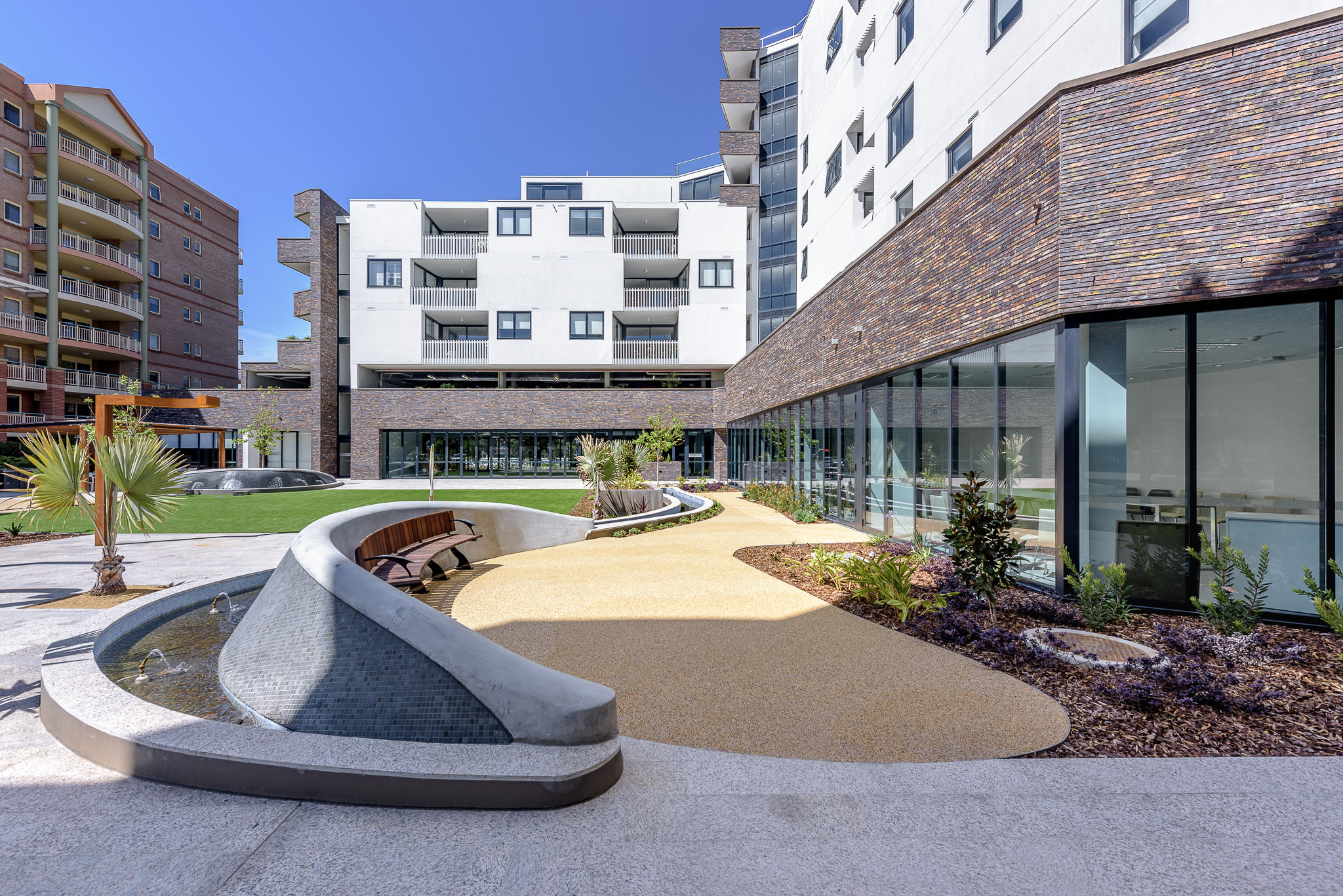
Review Prefabricated Construction Options During ECI
The best time to assess prefabricated construction is before the design is fully locked in. Through Early Contractor Involvement, Infinity Constructions can help review whether modular construction, bathroom pods, AFS walling, Ultrafloor systems, precast façade panels or permanent formwork are suitable for your project.
Early review can help identify design constraints, procurement risks, craneage requirements, tolerance issues, services coordination challenges and NCC compliance considerations before they affect manufacturing or site delivery.
Contact Infinity Constructions to review prefabricated construction options during the early planning phase.
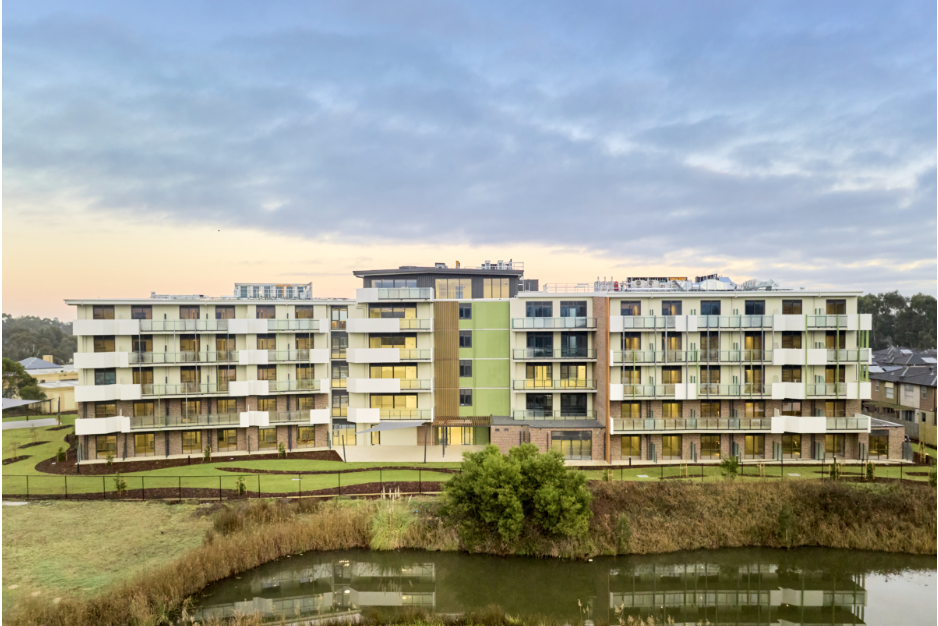
Prefabricated Building Construction FAQs
What is prefabricated building construction?
Prefabricated building construction is a delivery method in which selected building elements are manufactured offsite, then transported and installed as part of the onsite construction programme. In complex commercial construction, prefabrication can include volumetric modules, POD bathrooms, AFS walling, Ultrafloor systems, precast façade panels, permanent formwork, structural steel assemblies, services risers and other offsite-manufactured components.
Infinity Constructions has used prefabricated and preformed systems across real commercial projects, including student accommodation, hotels and commercial buildings. This means its view of prefabrication is based on practical delivery considerations: buildability, transport, craneage, services coordination, fire engineering, acoustic performance, waterproofing, site logistics and compliance.
What is the difference between prefabricated and modular construction?
Prefabricated construction is the broader term. It refers to any building component that is manufactured offsite before being installed onsite. Modular construction is one form of prefabrication in which three-dimensional modules are manufactured offsite and then assembled into the final building.
For example, a project may use prefabricated POD bathrooms without being a fully modular building. It may also use AFS walling, Ultrafloor systems, precast panels or permanent formwork as part of a hybrid construction methodology. Infinity’s experience shows that the best outcome is not always “fully modular.” In many commercial projects, the strongest results come from selecting the right prefabricated systems for the site, programme, structural grid, services design and compliance pathway.
Is prefabricated construction suitable for commercial buildings?
Yes, prefabricated construction can be highly suitable for commercial buildings, but it needs to be assessed properly. It is not a one-size-fits-all solution. Prefabrication is often valuable where a project has repeated layouts, compressed timeframes, limited site access, labour constraints, live operating environments, strict handover dates or complex services coordination.
It can support faster installation, better quality control and reduced onsite congestion. Infinity has used prefabricated systems on commercial projects such as Bowden Street in Alexandria, where Ultrafloor, AFS walls and efficient foundation systems helped support a fast-tracked programme and reduce the need for contaminated spoil removal. This type of experience is important because prefabricated construction must work within the realities of site conditions, consultant coordination, procurement and compliance.
What are POD bathrooms used for in commercial construction?
POD bathrooms are prefabricated bathroom units manufactured offsite and delivered to the site for installation. They are commonly used in student accommodation, hotels, aged care, Build-to-Rent and multi-residential projects where bathroom layouts are repeated across many rooms.
The main advantage is consistency. Bathroom pods can reduce wet-trade congestion, improve quality control, support faster installation and help manage repeated waterproofing, services and finishes. However, POD bathrooms need careful early coordination. Floor set-downs, drainage falls, service connections, access clearances, fire rating, acoustic separation and waterproofing interfaces all need to be resolved before manufacture.
Infinity has project experience with POD bathrooms, including GSA Pelham Street and the Parkroyal Hotel project, so its guidance is based on the practical coordination required to make them work onsite.
Does prefabricated construction still need to comply with the NCC?
Yes. Prefabricated and modular construction must still comply with the National Construction Code and all relevant Australian building requirements. Offsite manufacture does not remove the need for structural adequacy, fire safety, waterproofing compliance, accessibility, energy efficiency, acoustic performance, evidence of suitability, inspection and certification.
This is a critical point that is often under-explained. The factory environment may improve quality control, but the building still needs to perform as an integrated structure once installed onsite. Infinity’s ISO-certified systems and commercial project experience support the documentation, consultant coordination, inspection and QA controls required for prefabricated construction in complex commercial environments.
What does prefabrication in construction mean?
Prefabrication in construction means manufacturing selected building components offsite before transporting them to the project site for installation. In commercial construction, this can include modular components, POD bathrooms, AFS walling, Ultrafloor systems, precast façade elements, permanent formwork, structural assemblies and offsite-manufactured services components.
Prefabricated Building Construction in Sydney and Melbourne
Infinity delivers prefabricated building construction solutions across Sydney and Melbourne.
In Sydney, prefabrication can create value on CBD, inner-city, education, accommodation, hospitality, commercial and Build-to-Rent projects where site access, traffic management, neighbouring properties, basement constraints, contamination or lease deadlines increase delivery complexity.
In Melbourne, prefabricated construction is particularly relevant for student accommodation, mixed-use developments, aged care, hospitality, adaptive reuse and high-density urban projects. Projects close to universities, transport corridors and established commercial precincts often benefit from reduced onsite congestion, improved sequencing and earlier resolution of design and procurement risk.
Whether the project involves volumetric modular construction, prefabricated POD bathrooms, AFS walling, Ultrafloor systems, precast panels, permanent formwork or targeted offsite-manufactured components, Infinity assesses prefabrication in the context of the full construction methodology.
Speak with our Sydney construction or Melbourne construction team to discuss your project.